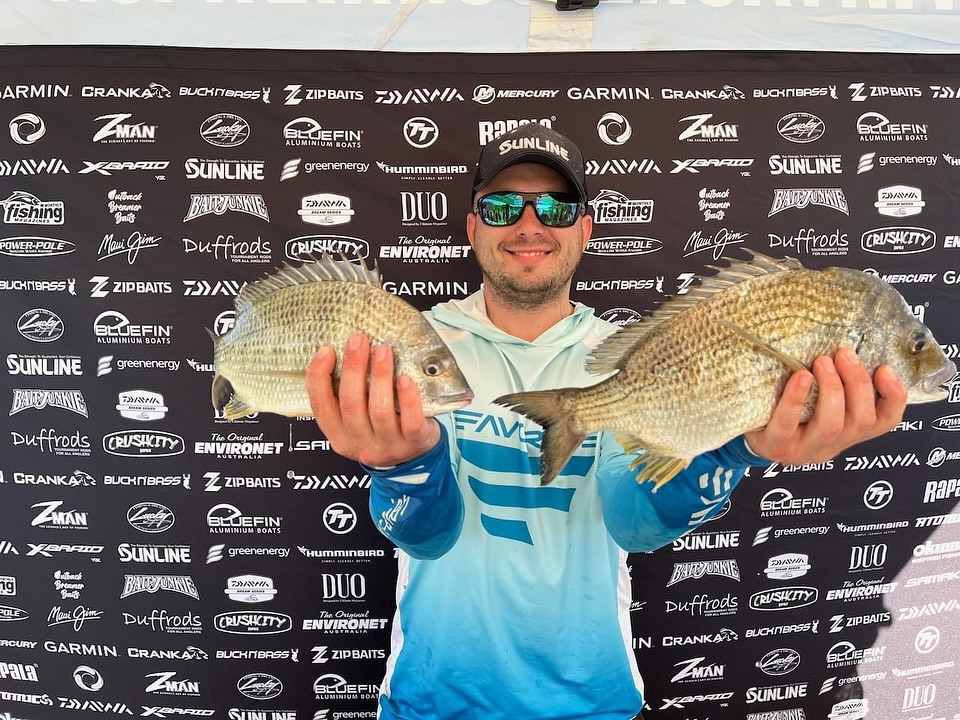
There is arguably no visual spectacle in Australian light-tackle sportfishing quite like a pack of aggressive Whiting shouldering each other out of the way to smash a surface lure in less than a foot of crystal-clear water. Topwater fishing for Whiting and Bream has evolved from a niche tactic into a nationwide obsession. From the sprawling, sun-drenched sand flats of Queensland to the vast, temperate estuarine systems of Victoria and Western Australia, anglers are leaving their bait at home and embracing the adrenaline of the surface strike.
However, as fishing pressure increases across Australia’s major metropolitan waterways in 2026, these fish are becoming exponentially smarter and highly “lure-shy.” Success no longer comes from simply dragging a piece of plastic across the surface. It requires a profound understanding of estuarine hydrodynamics, the precise mechanical execution of the “Walk the Dog” retrieve, and, crucially, high-modulus carbon rods that can transmit microscopic twitches directly to the lure without any energy loss. In this monumentally comprehensive, 10,000-character masterclass, we are breaking down the definitive guide to topwater flats fishing across Australia’s major cities, and revealing why the elite Favorite Black Swan and Favorite Totem rod series are dominating the tournament scene.
The Target Species: Kings of the Shallows
To consistently induce topwater strikes, you must understand the distinct hunting patterns of your two primary targets. While they share the same habitat, their approach to a surface lure is entirely different.
1. The Australian Whiting (Sand and Yellowfin)
Whiting are the cheetahs of the sand flats. They are built for speed and hunt in highly competitive packs. When a Whiting spots a fleeing prawn (imitated by your surface lure), its instinct is to run it down before another fish gets it. They hunt with their heads down, often aggressively “boiling” behind the lure, snapping at its tail multiple times before finally engulfing it. The golden rule for Whiting: Never stop retrieving. If you pause the lure, a Whiting will immediately realize it is artificial and spook.
2. The Bream (Black and Yellowfin)
Bream, on the other hand, are the calculated assassins of the estuaries. They are highly structure-oriented, often hiding near submerged weed beds, oyster leases, or drop-offs, waiting to ambush prey. A Bream will cautiously stalk a surface lure, inspecting it closely from below. They are notorious for striking on the pause. If a Bream is following your lure, stopping it completely for 2-3 seconds is often the trigger required for them to suck it off the surface with a distinctive “bloop” sound.
National Hotspots: Dominating Australia’s Major Cities
The beauty of topwater flats fishing is its accessibility. Some of the greatest fishing in the country occurs right in the shadows of our largest CBDs. Here is where you need to deploy your Favorite setups:
Sydney & New South Wales
Sydney boasts incredible estuarine systems perfect for surface action.
Locations: The expansive sand flats of Botany Bay, the Parramatta River (especially the upper reaches around the mangrove edges), and the pristine shallows of Pittwater and the Hawkesbury River.
Tactic: Sydney Bream are highly pressured. Long, silent casts using an ultra-light, highly resonant rod are mandatory to avoid spooking fish in the clear metropolitan waters.
Brisbane & The Gold Coast (Queensland)
The undisputed capital of topwater Whiting. The warm waters produce massive, aggressive “Elbow-Slapper” Whiting.
Locations: Moreton Bay’s extensive sandbanks, the Pumicestone Passage, and the labyrinth of shallow canals and the Broadwater on the Gold Coast.
Tactic: High-speed retrieves with translucent, prawn-profile surface walkers. The water here is often very clear, so matching the hatch with natural, transparent colors is highly effective.
Melbourne & Victoria
Victoria’s Black Bream are legendary, and they love a surface lure during the warmer months.
Locations: The shallow margins of Port Phillip Bay, the Patterson River lakes system, and the sprawling Gippsland Lakes in the east.
Tactic: Victorian Bream are heavily structure-focused. Precision casting tight against retaining walls, boat hulls, and overhanging tea trees is the key to drawing them out of their hiding spots.
Perth & Western Australia
The Swan and Canning Rivers running straight through Perth offer world-class Black Bream fishing.
Locations: The shallow sand flats around Point Walter, the flats of the Peel-Harvey Estuary in Mandurah, and the lower reaches of the Swan.
Tactic: First light is critical here. Before the notorious “Fremantle Doctor” sea breeze kicks in, the glassy surface of the Swan River is prime territory for small, subtle poppers worked with long pauses.
The Gear: Why High-Modulus Carbon is Non-Negotiable
Topwater fishing is a highly mechanical technique. You are required to constantly impart action to the lure using only the tip of your rod. If you are using a cheap, soft fiberglass rod, the rod will simply bend and absorb your twitches. The lure will drag lifelessly through the water, and you will catch nothing. You need an incredibly crisp, fast-recovery blank to make the lure “dance.”
Favorite Black Swan: The Ultimate Finesse Instrument
For the elite angler throwing microscopic 40mm surface walkers in glass-calm conditions, the Favorite Black Swan is without equal.
The Topwater Advantage: Built with an uncompromising blend of 40T and ultra-rare 46T Japanese Toray carbon, the Black Swan features an exceptionally fast tip recovery. This allows you to impart the subtle, rapid twitches needed for topwater fishing with zero wrist fatigue. Furthermore, its extreme casting distance capabilities allow you to reach spooky Whiting feeding on the distant edges of the sand flats before they know you are there.
👉 Master the Shallows with the Favorite Black Swan Series
Favorite Totem: The Tactical All-Rounder
If you are fishing around heavy structure like oyster racks in Sydney or bridge pylons in Brisbane, and you need a bit more raw stopping power to extract a trophy Bream, the Favorite Totem is your tactical enforcer.
The Topwater Advantage: The Totem utilizes advanced Skyflex carbon technology, providing a “crisp,” authoritative feel. When working a surface popper, the Totem’s stiffness translates into a loud, aggressive “bloop” that calls fish up from the depths. When a 40cm Black Bream smashes the lure and heads straight for an oyster lease, the Totem’s powerful lower section allows you to lock the drag and pull them clear of the danger zone instantly.
👉 Dominate the Estuaries with the Favorite Totem
Mastering the Animation: Surface Techniques Explained
1. The “Walk the Dog” Retrieve (Pencil Baits / Stickbaits)
This is the deadliest technique for Whiting. You use a slender, floating, bib-less lure (a pencil bait).
The Mechanics: Keep your rod tip pointed downwards, close to the water. Continuously twitch the rod tip down in short, sharp, rhythmic bursts while simultaneously winding the reel handle at a steady pace. This causes the lure to aggressively zig-zag from left to right across the surface, perfectly mimicking a panicked prawn fleeing for its life. Remember: If a Whiting is chasing it, do not stop or slow down. Speed up!
2. The “Pop and Pause” (Poppers)
This technique is superior for targeting large Bream. A popper features a cupped face that pushes water and creates a distinct “bloop” sound.
The Mechanics: Cast near structure. Give the rod a sharp downward twitch to make the lure spit water, then let it sit completely motionless. Wait 3 to 5 seconds. The ripples will fade. Give it another twitch. Bream will often sit directly under the lure during the pause, hypnotized by it, and will aggressively strike the exact millisecond the lure moves again.
Terminal Tackle: The Topwater Secrets
Your connections can make or break a surface session. You must pay attention to the physics of your line.
- Mainline: High-visibility, ultra-thin 8-strand PE Braid (PE 0.4 to PE 0.6) is mandatory. It floats natively on the water and has zero stretch, ensuring every twitch of your rod is transmitted instantly to the lure.
- The Leader Trap: This is a closely guarded secret. Do NOT use Fluorocarbon leader for small surface walkers. Fluorocarbon naturally sinks. As it sinks, it pulls the nose of your tiny surface lure down, ruining its action and causing it to dive underwater. You must use Nylon Monofilament leader (4lb to 6lb). Nylon floats, keeping the nose of your lure high and ensuring a perfect zig-zag action.
- Connections: Tie a slim FG knot to connect your braid to your monofilament leader. Attach the lure using an ultra-light wire loop knot (like the Lefty’s Loop). This allows the lure to swing freely on the loop, maximizing its side-to-side action. Never tie a tight clinch knot directly to the lure’s eyelet.
Environmental Factors: Tides, Wind, and Sun
Flats fishing is highly dependent on environmental variables.
- The Tide: The first two hours of the making (run-in) tide are absolute gold. As the clean ocean water floods the dry, sun-baked sand flats, it covers the yabby holes and worm beds. Whiting and Bream ride the very front edge of this incoming tide, aggressively hunting the newly submerged food.
- The Wind (The “Ripple” Effect): While glass-calm conditions are beautiful for casting, they are often very difficult for fishing, as the fish can see you and your line clearly. A slight breeze that creates a small “ripple” on the water’s surface is ideal. It breaks up the light penetration and makes the fish significantly less cautious.
- Sunlight and Shadows: Bream hate bright, overhead sunlight. During the middle of the day, they will retreat to the deep channels or hide deep inside the shadows of boat hulls and overhanging mangroves. Focus your topwater efforts during the low-light periods of dawn and dusk, or on heavily overcast days.
Comprehensive FAQ: Australian Flats Fishing
Are topwater lures only effective in summer?
While summer (when prawn and insect activity peaks) is undeniably the prime time, topwater fishing can be highly effective in the warmer northern cities (Brisbane, Gold Coast) year-round. In southern cities (Melbourne, Sydney), the surface bite generally shuts down during the cold winter months as the fish retreat to deeper, warmer water.
What color surface lure is the best?
On bright, sunny days in clear water, translucent or clear lures that mimic the “ghostly” appearance of a prawn are unbeatable. On overcast days, or in slightly muddy water after rain, opaque colors, solid whites, or even matte black lures provide a much stronger silhouette against the sky for the fish to track.
Why do I get so many missed strikes?
Topwater fishing inherently involves missed strikes. When a fish attacks a lure from below, it often pushes the lure out of the water before it can grab the hooks. The absolute most important rule is to ignore the splash. Do not strike when you see the splash; only set the hook when you actually feel the weight of the fish on your rod.
Conclusion: The Ultimate Visual Thrill
Wading the pristine sand flats of Australia’s major waterways, watching a pack of golden-flanked Whiting aggressively chase down your surface walker, is an experience that defines modern sportfishing. It is a highly technical, visual, and profoundly rewarding pursuit that tests both your casting accuracy and your finesse.
To succeed on the heavily pressured flats of our major cities, you cannot rely on average equipment. By arming yourself with the blistering recovery speed and unparalleled resonance of the Favorite Black Swan or the authoritative crispness of the Favorite Totem, you are taking control of the presentation. You have the sensitivity to make the lure dance perfectly, and the backbone to turn the head of a trophy fish the moment it strikes.
Ready to experience the adrenaline of the surface strike and dominate the flats? Explore our elite collection of high-modulus Favorite Spinning Rods here and secure your ultimate topwater weapon today.