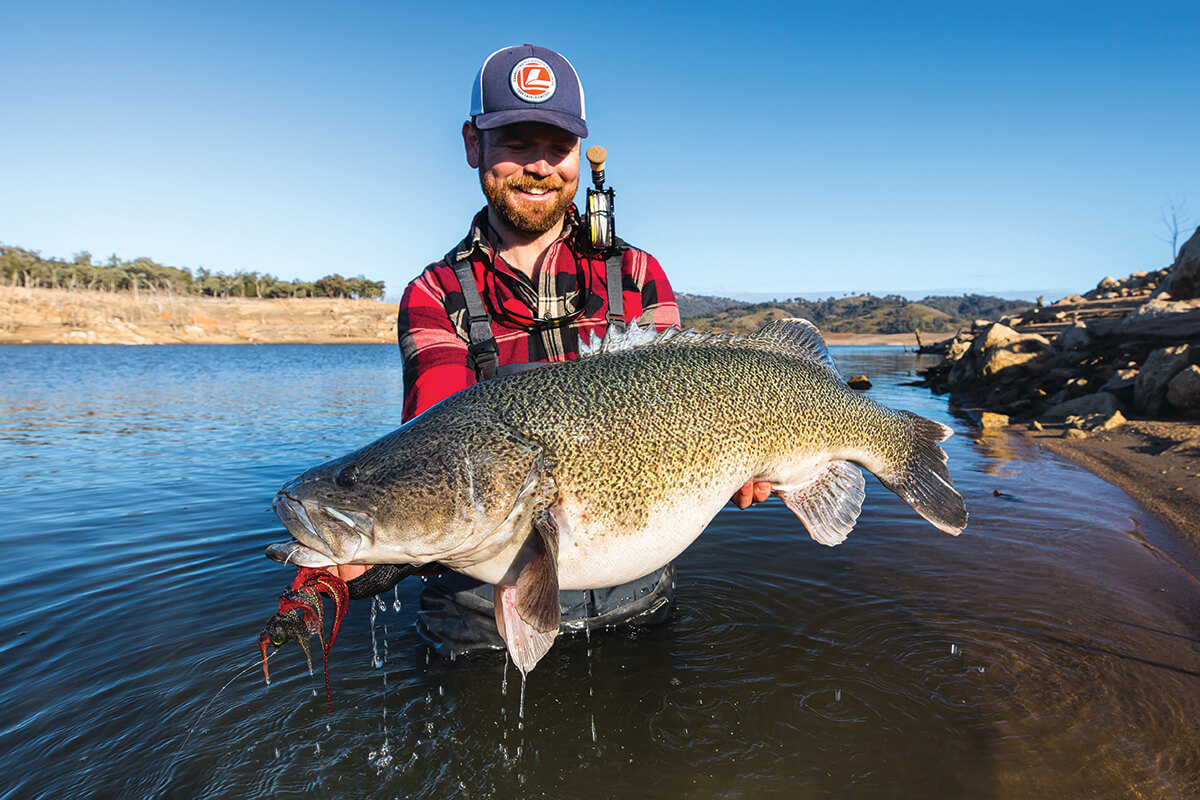
Making the transition from soaking bait to casting artificial lures is a defining moment for any angler. It changes the entire game from passively waiting for a bite to actively hunting your target. However, simply tying on a piece of plastic or wood and winding it back is only half the battle. Knowing how to make that lure come alive in the water is what separates the masters from the beginners.
Australian waters are incredibly diverse, and the predatory fish that inhabit them—from stealthy estuary Flathead to aggressive offshore pelagics—demand entirely different lure presentations. If you want to stop casting blindly and start catching consistently, you need a repertoire of proven retrieves.
In this comprehensive 2026 guide, we are breaking down the top 5 essential lure fishing techniques every Aussie angler must master, the common mistakes to avoid, and the specific high-performance gear required to execute them perfectly.
1. The “Double Hop and Drop” (Soft Plastics)
Prime Target Species: Flathead, Snapper, Jewfish (Mulloway), Coral Trout
The Technique: This is the undisputed bread-and-butter technique of Australian estuary and bay fishing. It is designed to mimic a fleeing prawn or a wounded baitfish darting off the bottom. First, cast your soft plastic (rigged on an appropriately weighted jighead) and leave the bail arm open until the lure sinks completely to the bottom. You will know it has touched down when the line suddenly goes slack.
Once on the bottom, wind up the slack, point your rod tip down towards the water, and give the rod two sharp, aggressive upward flicks. This causes the plastic to dart vertically. The Crucial Step: Immediately lower your rod tip and wind up the slack line as the lure falls back to the bottom. Over 90% of strikes happen during this falling phase (the drop). Watch your line closely for any sudden twitches or a premature stop.
Common Mistake: Striking too late. Anglers often miss the subtle “tick” on the drop because they allow too much slack line to form in the wind.
The Ideal Gear: You need a rod with a fast, highly sensitive tip to feel those subtle bites on the drop, combined with a strong backbone to drive the single hook into a bony jaw. The Favorite X1 is built specifically for this style of tactile, bottom-bouncing fishing, transmitting every vibration directly to your hand.
2. The “Walk-the-Dog” (Topwater Stickbaits)
Prime Target Species: Sand Whiting, Yellowfin Bream, Australian Bass, Estuary Perch
The Technique: There is no strike more visually explosive than a topwater boof. The “Walk-the-Dog” retrieve is used with floating stickbaits (walkers). The goal is to make the lure aggressively zig-zag left and right across the water’s surface, imitating a panicked prawn or distressed baitfish.
To achieve this, cast out and point your rod tip down toward the water. Begin a steady, slow wind with your reel, while simultaneously and continuously twitching your wrist. It is a rhythmic motion: twitch-wind-twitch-wind. The slack line created between twitches allows the lure to glide side-to-side. Pro Tip: If a Whiting or Bream swirls behind your lure and misses, do not stop winding! Pausing will instantly kill the illusion, and the fish will turn away. Keep walking it until you feel the weight of the fish.
The Ideal Gear: A crisp, stiff rod is mandatory. If your rod blank is too soft and “noodly,” it will absorb your wrist twitches, and the lure will just drag lifelessly forward. The Favorite Totem excels at precise surface lure manipulation due to its rapid blank recovery.
3. The “Twitch, Pause, and Suspend” (Hardbody Jerkbaits)
Prime Target Species: Barramundi, Mangrove Jack, Tailor, Trout
The Technique: When fishing around heavy structure like submerged timber, rock walls, or mangrove edges, suspending jerkbaits are a deadly weapon. These lures are weighted to perfectly hover in the water column when you stop winding.
Cast the lure tight against the structure and give the reel a few fast cranks to dive the lure down to its running depth. Then, give the rod two sharp downward rips and completely stop. The lure will dart erratically and then hover motionlessly. This pause is the ultimate trigger. Ambush predators like Barra and Jacks will often stare at the suspended lure for 3 to 5 seconds before violently sucking it in. Be prepared for the rod to be ripped out of your hands!
The Ideal Gear: You need a rod with a slightly shorter butt section so it doesn’t get tangled in your clothes during downward twitches, plus massive stopping power in the lower half to extract brutal fish from snags. A Medium-Heavy setup from our range is perfectly suited for this.
4. The “Slow Roll” (Crankbaits and Swimbaits)
Prime Target Species: Murray Cod, Australian Bass, large Flathead
The Technique: Sometimes, doing less is actually more. “Slow rolling” simply means casting the lure out and winding it back at a painfully slow, steady, and consistent pace. This technique relies entirely on the inbuilt action of the lure.
If you are using deep-diving crankbaits for Bass or Cod, you want to wind just fast enough to make the lure constantly bump and grind into underwater rocks, logs, and gravel. Deflecting off structure triggers pure reaction bites. If you are using large paddle-tail soft plastics, a slow roll keeps the tail thumping enticingly just above the weed beds, mimicking a large, unaware baitfish cruising through the strike zone.
The Ideal Gear: A rod with a slightly more moderate (parabolic) action is often preferred here. It helps keep the small treble hooks of a crankbait firmly pinned in the fish’s mouth when it thrashes at the surface. The rugged reliability of the Favorite U1 makes it a fantastic all-rounder for cranking and slow-rolling techniques.
5. High-Speed Burn and Skip (Metal Slices & Poppers)
Prime Target Species: Australian Salmon, Tailor, Giant Trevally (GT), Kingfish
The Technique: When you see birds diving from the sky and the water boiling with pelagic fish feeding on bait schools, subtlety completely goes out the window. This is pure reaction fishing.
Cast a heavy metal slice or a surface popper over and past the feeding frenzy. As soon as it hits the water, engage the reel and wind as fast as humanly possible while keeping your rod tip held high. The lure should literally skip, splash, and flash across the surface of the water, mimicking a terrified garfish or pilchard fleeing the carnage. Speed is your friend here—you physically cannot wind faster than a Kingfish can swim!
The Ideal Gear: Casting distance is the most critical factor. You need a long rod (7’6″ to 8’6″) that can launch heavy metals far out over the surf break or reach busting schools of fish before they dive. The premium carbon blank of the Favorite SkyLine makes it the ultimate long-range precision weapon for pelagic chasers.
Conclusion: The Right Tool for the Job
Mastering these five fundamental techniques will successfully cover you for 95% of lure fishing scenarios across Australia. However, the true key to consistent success is pairing the right technique with a rod designed specifically for that purpose. A heavy surf rod cannot walk a tiny stickbait, and an ultralight stream rod cannot set the hook on a deep-water Snapper.
Ditch the smelly bait, upgrade to a high-performance Favorite spinning rod, match your gear to your technique, and experience the unmatched thrill of the lure strike!