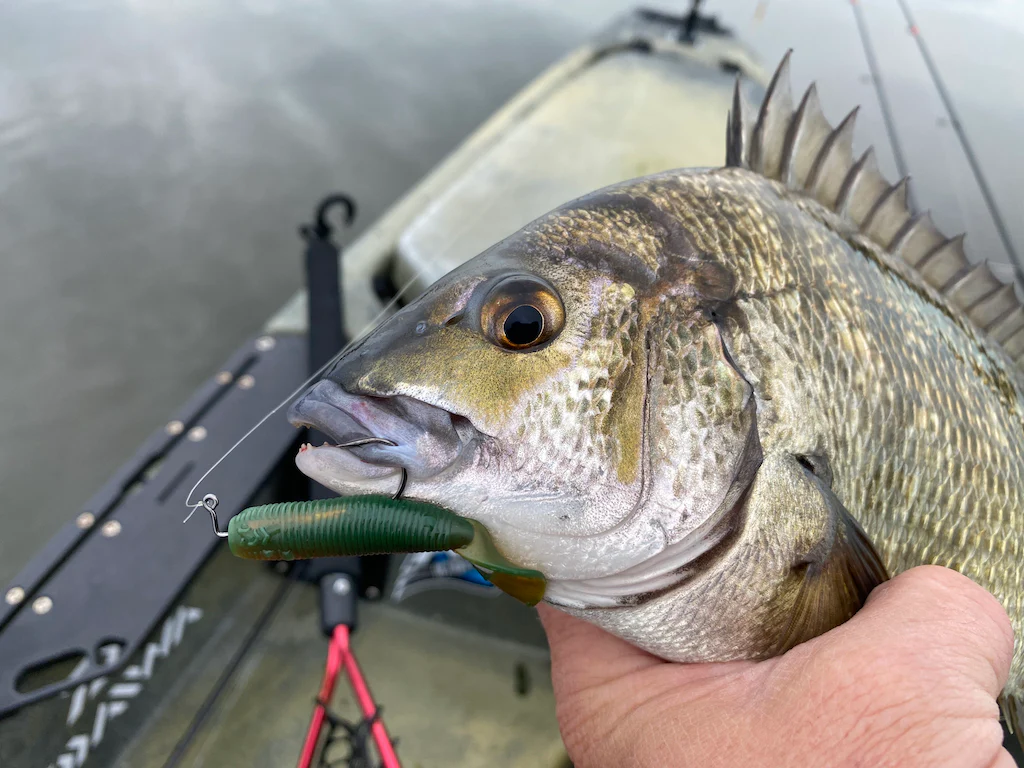
Fishing for bream with soft plastics is one of the most effective, exciting, and accessible techniques in Australian waters. Whether you’re fishing from a boat, kayak, or land-based, soft plastics offer a realistic presentation that bream simply can’t resist.
In this step-by-step guide, we’ll explore everything you need to know — from selecting the right gear and techniques to choosing the best soft plastics for Australian bream.
🎣 Why Use Soft Plastics for Bream?
Soft plastics offer several key advantages:
-
✅ Natural look and movement
-
✅ Versatile across seasons and locations
-
✅ Can be fished deep, shallow, or around structure
-
✅ Cost-effective and reusable
🧰 Essential Gear Setup
To get the most out of soft plastic fishing for bream, you need the right combination of rod, reel, line, and terminal tackle.
🔹 Rod
A light spinning rod around 6’6” to 7’2” is ideal. We recommend:
➡️ Favorite X1 Series — perfect for light line finesse techniques with excellent sensitivity and casting distance.
Key features:
-
Ultra-sensitive blank to detect soft bites
-
Fast action for twitching plastics and quick hooksets
-
Comfortable handle for long sessions
🔹 Reel
Pair your rod with a 1000–2500 size spinning reel with a smooth drag system. This allows you to fish light lines and avoid pulling hooks on soft-mouthed bream.
Look for reels with:
-
Lightweight body (great for finesse fishing)
-
Fine-tuned drag (to handle big bream runs)
-
High line capacity for casting distance
🔹 Line and Leader
-
Mainline: 3–6 lb braided line (PE 0.2–0.6)
-
Leader: 4–6 lb fluorocarbon for stealth and abrasion resistance
The lighter the line, the more natural your presentation — but balance it with enough strength to handle tough fights near structure.
🪱 Best Soft Plastics for Bream
Top-performing soft plastics include:
-
2” grub tails
-
2–3” curl tail worms
-
2” paddle tail minnows
-
Crustacean-style (shrimp/crab) plastics
Choose options with:
-
Soft texture for natural feel
-
Infused scent or attractant
-
Subtle natural colours (motor oil, watermelon red, bloodworm, pumpkin seed)
Pair them with:
-
Jigheads: 1/24 oz to 1/8 oz
-
Hook sizes: #4 to #1
🌀 Proven Jigging Techniques for Bream
Mastering your retrieve style is essential. Here are four killer jigging techniques:
1. Hop & Pause
-
Cast near structure or drop-offs
-
Let plastic sink to the bottom
-
Gently hop the rod tip and pause
-
Most strikes happen on the fall
2. Slow Roll with Taps
-
Slowly retrieve while maintaining bottom contact
-
Twitch the rod every few seconds
-
Imitates injured baitfish
3. Shake and Drag
-
Drag your lure slowly along the bottom
-
Lightly shake the rod tip during the retrieve
-
Mimics a crab or worm crawling
4. Lift & Drop in Vertical Structure
-
Perfect for pontoons, jetties, or boat hulls
-
Drop vertically and lift softly
-
Let the lure fall freely — bream hit on the drop
🗺️ Where to Catch Bream with Soft Plastics
Best places across Australia include:
-
Sydney Harbour (NSW)
-
Tweed River (NSW/QLD border)
-
Hobart Estuaries (TAS)
-
Swan River (WA)
-
Port Phillip Bay (VIC)
Target areas:
-
Rock walls, pontoons, bridges
-
Drop-offs, oyster racks, weed beds
-
Look for moving water and baitfish presence
🚫 Common Mistakes to Avoid
-
❌ Using heavy jigheads = unnatural presentation
-
❌ Striking too soon
-
❌ Ignoring depth changes
-
❌ Wrong colour in murky water
-
❌ Not using attractants in pressured systems
🧠 FAQ: Bream on Soft Plastics
Q: What’s the best size soft plastic for bream?
A: 2–2.5 inches works best.
Q: Is scent necessary?
A: Definitely. It increases strike rate and hold time.
Q: Can I fish plastics in winter?
A: Yes, just slow down your retrieve and fish deeper.
Q: Braid or mono?
A: Braid with a fluorocarbon leader gives the best control.
📚 Related Articles
🏆 Why Choose Favorite X1 for Bream?
Favorite X1 Series is the ultimate tool for soft plastic breaming:
-
Lightweight and sensitive blank
-
Crisp tip for delicate plastics
-
Excellent casting distance
-
Quality components at an affordable price
Top Picks:
-
6’6” Light Action – tight spots, estuary
-
7’2” Medium-Light – long casts from boats or shore
🏁 Final Tips
✔ Use the lightest jighead you can control
✔ Keep your soft plastics rigged straight
✔ Focus on structure and tide flow
✔ Watch your line for subtle takes
✔ Change retrieve if you’re not getting hits
🎣 Tight lines from the team at Favorite Australia!