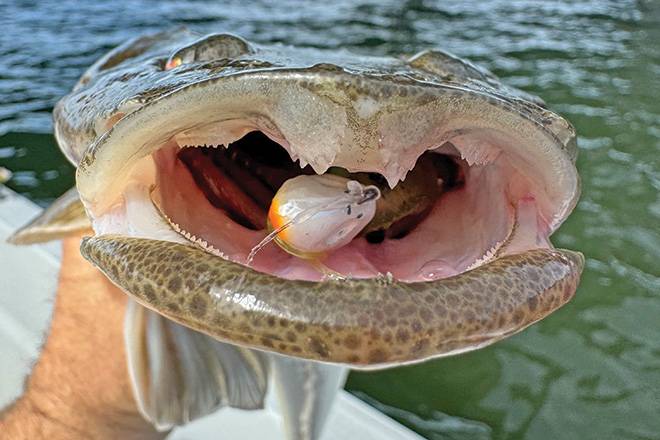
Flathead are among the most iconic and accessible fish species in Australia. Loved by beginners and seasoned anglers alike, they’re aggressive predators, live in easy-to-reach waters, and are great table fish. Whether you’re flicking soft plastics from a jetty or working vibes from a kayak, flathead fishing is a gateway into Australia’s dynamic estuary fishing scene.
In this article, we’ll explore the best spots, rods, lures, and techniques for targeting flathead, especially using spinning gear — the style preferred by most modern sport anglers.
Why Flathead Are So Popular
Flathead tick all the boxes for Australian anglers:
-
Abundant and widespread
-
Hit hard and fight well
-
Readily take lures
-
Delicious eating quality
You don’t need a boat or high-end gear. With a decent spinning rod and a handful of lures, you can start catching flathead from the shore, a wharf, or a small estuary craft. Their aggressive nature also makes them an excellent species for learning how to fish with artificials.
Where to Catch Flathead in Australia
Flathead are widely distributed across eastern and southern Australia. They love sandy bottoms, drop-offs, drains, and tidal zones — particularly during a rising or falling tide.
Here are some top-producing flathead hotspots:
-
New South Wales: Georges River, Lake Macquarie, Hawkesbury River, Shoalhaven
-
Queensland: Gold Coast canals, Moreton Bay, Pumicestone Passage
-
Victoria: Gippsland Lakes, Mallacoota Inlet, Barwon River
-
South Australia: Coorong estuary, Port River system
Try to fish around tide changes, especially near structures, channel edges, or sandbanks that provide ambush points.
Best Rods for Flathead Fishing
Flathead fishing demands finesse — sensitivity for detecting subtle bites, and backbone to handle big fish. The ideal spinning rod should have:
-
Length: 6’6” to 7’2” (198–218 cm)
-
Power: Light or medium-light
-
Action: Fast or extra-fast
-
Line rating: 4–10 lb braid is typical
-
Lure weight: 3–15 g
🎣 Top Pick: Favorite X1 762ML
This rod is a true standout for flathead fishing — light in hand, crisp action, and exceptional bite sensitivity. Whether you’re casting soft plastics or hardbodies, it delivers great performance without breaking the bank. The Fuji guides, ergonomic grip, and solid construction make it one of the best spinning rods in Australia under $160.
Best Lures for Flathead
Flathead are ambush predators. They wait motionless, often buried in the sand, ready to strike at anything that moves near the bottom.
The most effective flathead lures include:
-
Paddle-tail soft plastics (2.5”–4”) – deadly on a slow hop
-
Soft vibes and blades – great in deeper water or murky conditions
-
Suspending hardbody minnows – especially effective on the pause
-
Curl tails and grub-style plastics – ideal for subtle presentations
-
Jig heads: 1/8 to 3/8 oz depending on current and depth
Scented soft plastics or applying attractants like Pro-Cure can also increase strike rates.
Proven Spinning Techniques
Here are the most effective retrieve styles for targeting flathead:
-
Hop & Drop: Cast out, let the lure sink to the bottom. Give it 1–2 sharp hops, then pause and repeat. Flathead often hit during the pause.
-
Slow Roll: A slow, steady retrieve just off the bottom. Great for paddle tails.
-
Twitch & Pause: Ideal for suspending hardbodies. Two quick twitches followed by a 2–5 second pause can trigger aggressive strikes.
-
Dead Sticking: Letting the lure sit motionless on the bottom. Surprisingly effective with scented plastics.
Always make sure your lure contacts the bottom — that’s where flathead are holding.
Line and Leader Setup
Use a 10–12 lb braid mainline paired with a 10–15 lb fluorocarbon leader. This gives a balance of sensitivity, casting distance, and abrasion resistance — perfect for fishing around oysters, rocks, and shell grit.
Review: Favorite X1 for Flathead Fishing
The Favorite X1 is a performance-focused rod designed for spinning techniques. For flathead, it offers a combination of:
-
High-modulus carbon blank with fast recovery
-
Crisp responsiveness for soft plastic fishing
-
Durable Fuji guides and ergonomic split-grip handle
-
Lightweight feel — perfect for long sessions
-
Affordable price point for premium features
It’s the kind of rod that feels like a much more expensive setup. Whether you’re fishing shallow flats or deeper channels, it provides the casting accuracy, hook-setting power, and sensitivity needed to catch more flathead.
Tips for Beginners
-
Target shallow banks during high tide and deeper holes during low tide.
-
Use natural colours like motor oil, pumpkinseed, and baitfish tones in clear water.
-
Try brighter lures like pink or chartreuse in stained or murky water.
-
Always pause your retrieve — flathead often strike when the lure is completely still.
-
Use polarised sunglasses to spot structure and bait activity.
Common Mistakes to Avoid
-
Fishing too fast. Slow down — flathead prefer a slower, erratic retrieve.
-
Skipping the pause. Many strikes happen when the lure is resting.
-
Using heavy rods. A rod that’s too stiff won’t detect subtle bites or allow natural lure movement.
-
Overlooking shallow water. Flathead often sit in less than 50 cm of water on a rising tide.
Final Thoughts
Flathead fishing is accessible, exciting, and incredibly rewarding. With the right gear and a basic understanding of their habits, anyone can start catching these amazing fish. If you’re serious about estuary fishing or just starting out, upgrading to a purpose-built rod like the Favorite X1 can make a real difference.
Check out our full range of spinning rods, hand-picked for Australian waters, at Favorite24.au.
📌 FAQs
What is the best spinning rod for flathead fishing in Australia?
The Favorite X1 762ML offers ideal specs for flathead fishing — lightweight, fast action, and built to perform.
Where is the best place to catch flathead?
Try estuaries, tidal rivers, and flats along the east coast of Australia — especially during tide changes.
What are the best lures for flathead?
Soft plastics, paddle tails, vibes, and hardbody minnows are top choices. Always fish near the bottom.